 City Sewer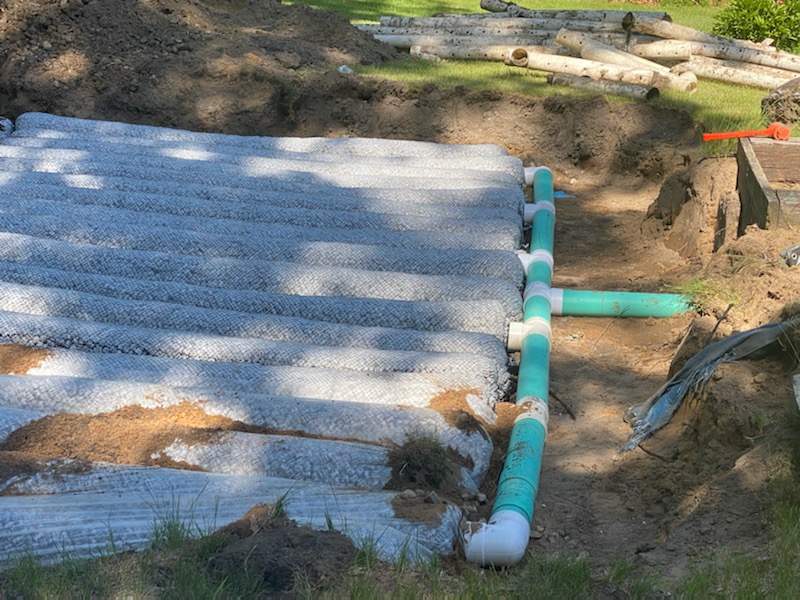
What Does a Drain Field Do?
A drain field is the final stage of your septic system, where liquid effluent from the tank disperses into the soil for natural filtration. A network of perforated pipes in gravel trenches releases wastewater so soil microbes treat it before it reaches groundwater, protecting your property and the environment.
After solids settle in your septic tank, the clarified liquid flows out to the drain field, also called a leach field or absorption field. The soil acts as a living filter, removing bacteria and nutrients.
Because it relies on healthy soil and open pipes, the drain field is the most expensive part of a septic system to replace. Keeping it working well is why routine tank pumping and proper usage matter so much.
What Are the Signs of a Failing Drain Field?
Watch for slow drains throughout the house, sewage odors near the field, soggy or pooling water over the absorption area, unusually lush green grass above the trenches, and gurgling plumbing. These signs mean effluent is not draining properly and you should call City Sewer before a full backup occurs.
Drain field problems often build gradually, then fail suddenly. Catching early warning signs can save you from a costly replacement.
If you notice sewage backing up into the lowest drains or toilets in your home, treat it as an emergency and call us right away.
- Slow or sluggish drains in multiple fixtures
- Foul odors around the tank or field
- Standing water or wet, spongy soil over the field
- Bright green, fast-growing grass above the trenches
- Gurgling sounds in pipes and drains
- Sewage backing up indoors
Why Do Drain Fields Fail?
Most drain fields fail from overload or neglect: a tank that was never pumped lets solids clog the field, excess water saturates the soil, tree roots invade the pipes, or heavy vehicles compact the trenches. Compacted or biologically clogged soil can no longer absorb effluent, causing backups and surfacing.
The leading cause is skipping regular septic tank pumping. When sludge builds up, solids escape to the field and form a sticky biomat that seals the soil.
Other common culprits include flushing non-degradable items, pouring grease down drains, and running too much water through the system in a short period.
- Infrequent tank pumping allowing solids to reach the field
- Hydraulic overload from excessive water use
- Tree and shrub roots invading the pipes
- Soil compaction from vehicles or structures
- Grease, chemicals, and non-flushable items
How Do You Maintain a Healthy Drain Field?
Protect your drain field by pumping the septic tank every 3 to 5 years, conserving water, keeping roots and traffic off the field, and never flushing grease or non-degradable items. Regular inspections catch small issues early. City Sewer handles pumping, inspections and field service so your system lasts for decades.
A standard residential tank holds about 1,000 to 1,500 gallons and typically needs pumping every three to five years depending on household size and usage.
Simple habits make a big difference: spread out laundry loads, fix leaky fixtures, and divert gutters and sump pumps away from the field.
- Pump your tank every 3-5 years
- Conserve water and fix leaks promptly
- Keep trees, driveways and structures off the field
- Only flush human waste and toilet paper
- Schedule periodic professional inspections
Drain Field Dos and Don'ts
Do keep the area over your drain field clear, grassy and well-drained, and pump your tank on schedule. Don't drive on it, plant trees near it, or send grease, chemicals and excess water into the system. The table below summarizes the habits that extend or shorten your drain field's life.
Following these guidelines helps your absorption field drain freely and avoids premature, expensive failure.
| Do | Don't |
|---|---|
| Pump your septic tank every 3-5 years | Ignore pumping until problems appear |
| Plant grass over the field | Plant trees or shrubs near trenches |
| Keep the area clear and accessible | Park or drive vehicles over the field |
| Conserve and spread out water use | Overload the system with heavy water use |
| Flush only waste and toilet paper | Flush wipes, grease, or chemicals |
| Divert rainwater and sump away | Let runoff saturate the soil |
What Does Professional Drain Field Service Include?
Our drain field service includes inspection and diagnosis, tank pumping to relieve the field, locating clogs and saturated areas, clearing or repairing distribution lines, and advising on repair versus replacement. For severe cases we handle excavation and installation, always with environmentally responsible disposal and upfront pricing.
We start by evaluating the whole system, because many field problems trace back to a full tank or a failing distribution box.
If your field can be restored, we restore it. If replacement is the only safe option, our licensed crew handles excavation and installation to Michigan standards.
- Full system inspection and failure diagnosis
- Septic tank pumping and cleaning
- Distribution line and D-box service
- Drain field repair or replacement
- Excavation and new system installation
Frequently Asked Questions
How long does a drain field last?
Can a failing drain field be repaired or must it be replaced?
How do I know if my drain field is failing?
Why is my grass greener over the drain field?
How often should I pump my tank to protect the drain field?
Can I drive or build over my drain field?
Do you offer emergency drain field service?
Trusted Septic Resources
Homeowner guidance from authoritative sources on septic system care, maintenance, and Michigan regulations: