 City Sewer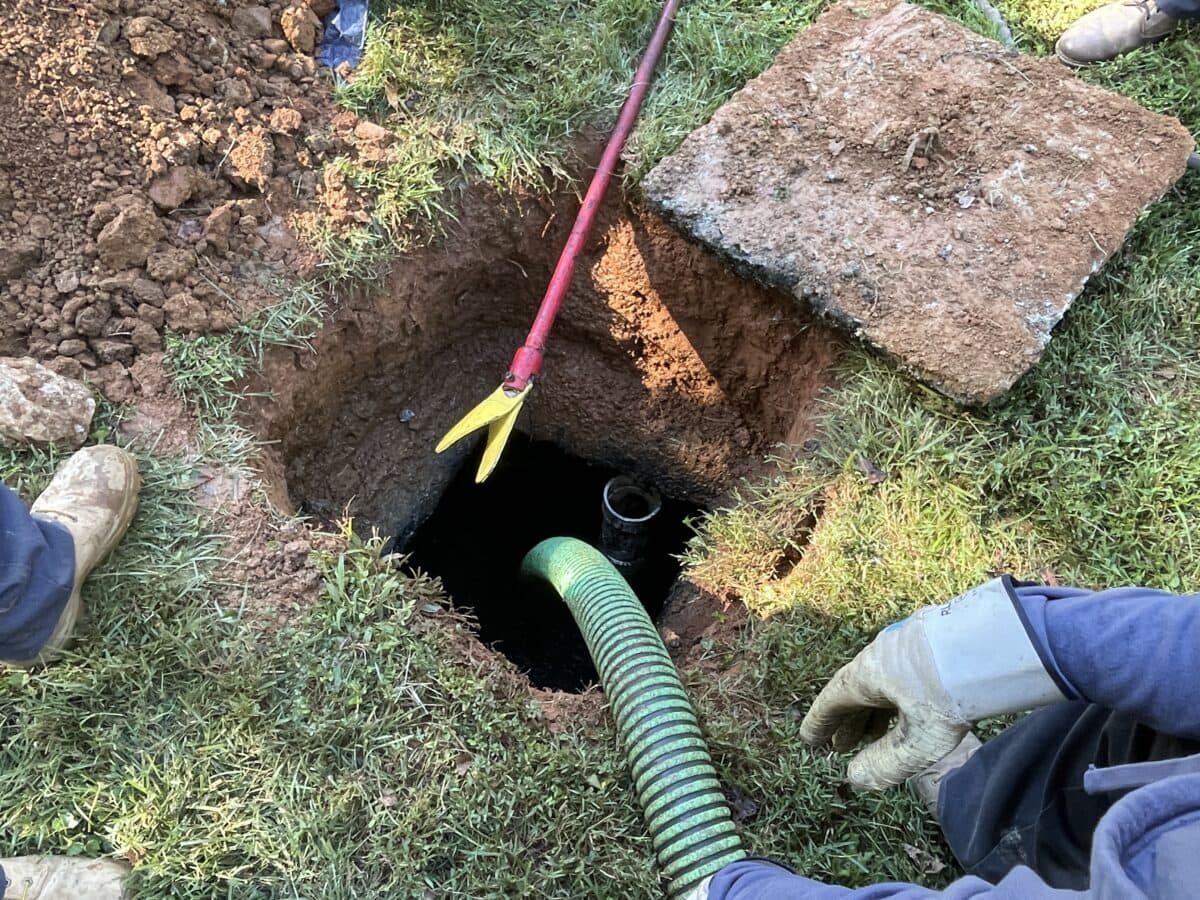
What is the difference between septic pumping and cleaning?
Pumping removes the liquid and floating waste from your septic tank, while cleaning goes further by removing the compacted sludge layer on the tank bottom. Cleaning restores more of your tank's original capacity and is recommended periodically to prevent solids from migrating into your drain field.
Many homeowners use the terms interchangeably, but there is a meaningful difference. Pumping clears the easily removable contents so the tank can function again short term.
Cleaning is more complete. Our technicians remove the thick bottom sludge and scum that standard pumping often misses, protecting your drain field and extending the life of the entire system.
| Factor | Pumping | Cleaning |
|---|---|---|
| What is removed | Liquid and floating scum | Liquid, scum, and bottom sludge |
| Tank capacity restored | Partial | Near full |
| Drain field protection | Basic | Maximum |
| Typical duration | 20-60 minutes | Slightly longer |
| Recommended frequency | Every 3-5 years | Periodically with pumping |
Why does sludge removal matter?
Sludge is the solid waste that settles and compacts at the bottom of your septic tank. Left unchecked, it reduces tank capacity, pushes solids toward your drain field, and causes clogs, backups, and premature system failure. Regular sludge removal keeps your system healthy and prevents costly repairs.
Over time, solids that do not break down accumulate into a dense sludge layer. As this layer grows, there is less room for wastewater to separate properly inside the tank.
When sludge builds up too high, solids can flow out into your drain field, clogging the soil and pipes. Drain field damage is one of the most expensive septic failures to repair, which is exactly what thorough cleaning helps you avoid.
- Restores usable tank capacity
- Prevents solids from reaching the drain field
- Reduces the risk of backups and odors
- Extends the service life of your whole system
- Keeps wastewater separating as designed
When should I schedule septic tank cleaning?
Most households should have their septic tank pumped and cleaned every 3 to 5 years, though timing depends on tank size, household size, and water use. Schedule sooner if you notice warning signs like slow drains, odors, or pooling water near the tank or drain field.
A standard residential tank holds 1,000 to 1,500 gallons. Larger households and heavier water use fill tanks faster and shorten the interval between services.
If it has been several years since your last service, or you cannot remember when the tank was last cleaned, it is a smart time to call City Sewer for an inspection.
- Slow-draining sinks, tubs, or toilets
- Foul odors indoors or near the tank
- Pooling water or wet spots over the drain field
- Unusually lush, green grass above the field
- Gurgling sounds in the plumbing
What happens during a septic tank cleaning visit?
Our licensed technicians locate and open your tank, inspect the levels of scum and sludge, then use a vacuum truck to remove the contents thoroughly, including the compacted bottom layer. We check the tank and baffles for issues and dispose of all waste in an environmentally responsible manner.
A typical pump-out takes about 20 to 60 minutes, with cleaning taking slightly longer to ensure the sludge layer is fully removed.
Before we leave, we let you know what we found and whether any repairs or follow-up service are recommended. Our pricing is clear and upfront with no hidden fees.
What areas does City Sewer serve for septic cleaning?
City Sewer provides septic tank cleaning throughout the Great Lakes Bay Region of Mid-Michigan, including Saginaw, Midland, Bay City, Freeland, Bridgeport, Vassar, and the surrounding central-Michigan communities. We are fully licensed and insured in Michigan and offer 24/7 emergency service.
Whether you own a home, run a business, or manage a property with a septic system, our local team is ready to help keep it running smoothly.
Call us anytime, including nights and weekends, when a septic emergency cannot wait.
Frequently Asked Questions
How often should a septic tank be cleaned?
Is septic cleaning the same as pumping?
How long does septic tank cleaning take?
What are the signs my septic tank needs cleaning?
What happens if I never clean my septic tank?
How big is a typical residential septic tank?
Do you dispose of septic waste responsibly?
Do you offer emergency septic cleaning?
Trusted Septic Resources
Homeowner guidance from authoritative sources on septic system care, maintenance, and Michigan regulations: