 City Sewer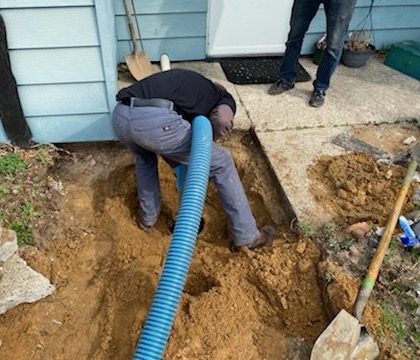
What are the warning signs your septic system needs repair?
The most common warning signs are slow drains throughout the home, sewage odors indoors or in the yard, pooling water or soggy ground over the drain field, unusually lush green grass above the tank, and gurgling pipes. Any of these means you should call for inspection before a full backup occurs.
Septic problems rarely appear overnight. Small symptoms like a sink that drains slower than usual or a faint odor near the tank are early signals that something is wrong underground.
Catching these signs early often means a smaller, simpler repair. Ignoring them can lead to sewage backups inside the home or a failed drain field, which is far more costly to correct.
- Multiple slow drains or toilets backing up at once
- Sewage smells inside the house or over the yard
- Standing water or soggy soil above the drain field
- Bright green, fast-growing grass over the tank or field
- Gurgling sounds in pipes and drains
What are the most common septic repairs?
Most septic repairs involve the tank, baffles, lids, drain field, or connecting lines. Common fixes include replacing cracked baffles or tees, repairing broken or settled lids, clearing or restoring drain fields, repairing collapsed sewer lines, and replacing failed pumps or distribution components.
A septic system has several components that can wear out or fail. Knowing which part is causing the trouble is the key to an effective, lasting repair rather than a temporary patch.
Our technicians inspect the full system so you understand exactly what failed, why it failed, and what the repair involves before any work begins.
- Cracked or deteriorated inlet and outlet baffles
- Damaged, settled, or unsafe tank lids and risers
- Clogged, saturated, or failing drain fields
- Broken, root-filled, or collapsed sewer lines
- Failed effluent pumps or distribution boxes
What problem, cause, and fix should you expect?
Different symptoms point to different underlying causes and repairs. The table below maps the most common septic problems to their typical causes and the repair approach our licensed technicians use, so you know what to expect before we arrive.
Accurate diagnosis matters. A backup can stem from a simple clog or a failed drain field, and the right fix depends on the true cause.
| Problem | Likely cause | Typical fix |
|---|---|---|
| Slow drains throughout home | Full tank or clogged outlet | Pump tank, clear or replace baffle |
| Sewage backup indoors | Blocked or collapsed sewer line | Clear, repair, or replace line |
| Pooling water over field | Saturated or failed drain field | Drain field service or restoration |
| Odors near tank | Cracked lid, baffle, or vent issue | Repair lid, baffle, or seal |
| Gurgling pipes | Partial blockage or venting problem | Clear line, inspect venting |
| Pump not running | Failed effluent pump or float | Replace pump or float switch |
How do you diagnose and repair a septic problem?
We start with a full inspection: locating the tank, checking liquid levels, examining baffles and lids, and evaluating the drain field and sewer lines. Once we pinpoint the cause, we explain the repair and upfront pricing, then complete the work with proper equipment and environmentally responsible disposal.
Guessing leads to repeat failures. Our diagnostic process confirms the actual source of the problem before any digging or parts replacement, so you only pay for the repair you truly need.
After the fix, we verify the system is flowing correctly and share simple maintenance guidance to help prevent the same issue from returning.
Do you offer emergency septic repair?
Yes. City Sewer provides 24/7 emergency septic repair across Saginaw, Midland, Bay City and surrounding mid-Michigan communities. If you have sewage backing up, overflowing fixtures, or standing waste in the yard, call (989) 205-6017 right away so we can respond quickly and protect your home and property.
Septic emergencies do not wait for business hours. A backup can threaten your health, your home's interior, and the environment around your property.
When you call, stop using water in the home to reduce pressure on the system, and keep people and pets away from any pooled sewage until we arrive.
How can you prevent future septic repairs?
Regular maintenance prevents most septic repairs. Pump your tank every three to five years, avoid flushing grease, wipes, and harsh chemicals, protect the drain field from heavy vehicles, and schedule periodic inspections. Early attention to small warning signs keeps minor issues from becoming major, costly failures.
A septic system is a long-term investment, and consistent care dramatically extends its life. Most emergency repairs trace back to a missed pumping schedule or avoidable abuse of the system.
- Pump the tank every 3 to 5 years based on household size
- Keep grease, wipes, and chemicals out of drains
- Avoid parking or driving over the drain field
- Fix running toilets and leaks that overload the system
- Schedule routine inspections to catch problems early
Frequently Asked Questions
How do I know if my septic tank needs repair or just pumping?
How long does a septic repair take?
Can a failing drain field be repaired or must it be replaced?
Is sewage backing up into my house an emergency?
What causes septic systems to fail in mid-Michigan?
Do you repair both the tank and the sewer lines?
Are you licensed and insured for septic repair in Michigan?
Trusted Septic Resources
Homeowner guidance from authoritative sources on septic system care, maintenance, and Michigan regulations: