 City Sewer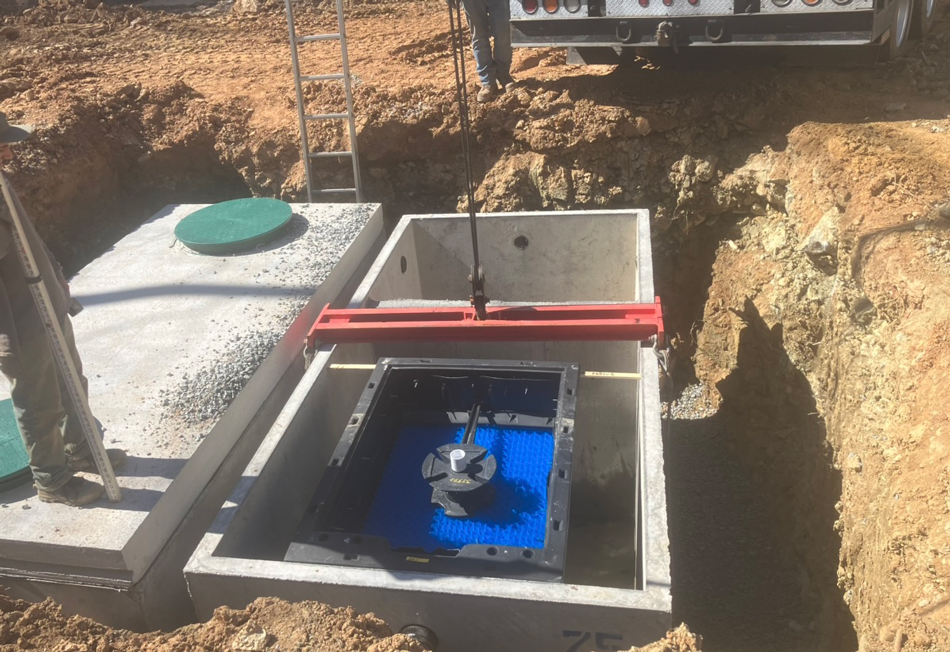
How does the septic installation process work?
Septic installation follows a clear sequence: permit application, soil evaluation and perc testing, system design and sizing, county health department approval, excavation, tank and drain field installation, then a final inspection before backfill. City Sewer manages every step so your Mid-Michigan project stays compliant and on schedule.
Before any digging begins, your site must be evaluated and approved by the local county health department. This protects groundwater and ensures the system fits your soil, lot size and household needs.
Once approved, our crews handle excavation, set the tank, build the drain field and complete the inspection. We restore the site and walk you through maintenance so your new system performs for decades.
- Permit application with your county health department
- Soil evaluation and percolation (perc) test
- System design sized to household and soil type
- Excavation, tank set and drain field construction
- Final inspection before backfill and site restoration
Why do I need a perc test and soil evaluation?
A percolation test and soil evaluation measure how quickly your soil absorbs water, which determines the type and size of drain field your property needs. Michigan code requires this testing before installation so the system treats wastewater safely without contaminating groundwater or failing prematurely.
Soil that drains too fast or too slow changes the design entirely. Sandy soils absorb quickly, while clay-heavy soils may require an engineered or mound system.
City Sewer coordinates testing and uses the results to design a system matched to your exact site conditions here in the Great Lakes Bay Region.
What septic system types are available?
Common system types include conventional gravity systems, pressure-distribution systems, mound systems for high water tables or poor soils, and aerobic treatment units. The right choice depends on your soil, lot size, water table and household size. We recommend the most cost-effective option that meets Michigan code.
Many Mid-Michigan properties use conventional gravity systems, but sites with shallow soils or seasonal high water tables often need mound or engineered designs.
We explain your options in plain language so you understand what each system requires and why it fits your property.
| System Type | Best Suited For |
|---|---|
| Conventional gravity | Well-draining soil, adequate lot depth |
| Pressure distribution | Moderate soils needing even dosing |
| Mound system | High water table or shallow/poor soil |
| Aerobic treatment unit | Difficult sites and tighter lots |
When should I replace my septic system instead of repairing it?
Replace your septic system when the drain field is saturated and failing, the tank is cracked or collapsing, or repairs no longer resolve chronic backups. Warning signs include persistent slow drains, sewage odors, pooling water and unusually lush grass over the drain field. We help you weigh repair versus full replacement honestly.
A single repair often restores an otherwise sound system. But when the drain field itself fails, replacement is usually the lasting fix.
City Sewer inspects your system first and gives you a straightforward recommendation, never upselling a replacement you do not need.
- Standing water or soggy ground over the drain field
- Recurring backups that repairs do not fix
- Sewage odors indoors or near the tank
- Cracked, leaking or collapsing tank
- System age combined with failing performance
Do I need a permit to install a septic system in Michigan?
Yes. Michigan requires a permit from your local county health department before installing or replacing a septic system. The permit process includes soil evaluation, system design review and final inspection. City Sewer is fully licensed and insured and handles the permitting so your installation is fully code-compliant.
Permit requirements vary slightly by county across Saginaw, Midland, Bay and Tuscola counties, but all follow Michigan sanitary code.
Skipping permits can lead to fines, failed property sales and systems that must be dug up. We keep your project documented and approved from start to finish.
How long does a septic installation take?
Most residential septic installations take a few days of on-site work once permits and testing are complete. The full timeline, including application, soil evaluation and county approval, often runs several weeks. Weather, soil conditions and system type affect scheduling, and we keep you informed at every stage.
The approval and design phase typically takes longer than the physical installation itself.
We plan excavation and tank delivery to minimize disruption to your property and get your household back to normal quickly.
Frequently Asked Questions
What size septic tank do I need for my home?
Can you install a septic system on a property with poor soil?
Does City Sewer handle the permits and inspections?
How much does a new septic system cost?
How long does a new septic system last?
Do you offer emergency service during an installation project?
What areas do you serve for septic installation?
Trusted Septic Resources
Homeowner guidance from authoritative sources on septic system care, maintenance, and Michigan regulations: